
Stress can show up as racing thoughts, irritability, trouble sleeping, or feeling emotionally “flooded” at the worst times. A structured support bundle can help by turning vague self-care into small, repeatable actions—especially when it combines calming skills with emotion awareness. Below is a practical guide to how a coordinated 5-in-1 mindful support pack can fit into real life, what to look for in each component, and simple ways to use it consistently.
A 5-in-1 anxiety support bundle tends to work best for people who want a clear routine instead of guessing what to do when tension hits. It’s especially useful for:
If anxiety feels persistent or disabling, it’s also helpful to learn the basics of anxiety disorders and support options from trusted resources like the National Institute of Mental Health.
A well-designed bundle usually covers five roles: calming the body, calming the mind, clarifying emotions, reframing thoughts, and building supportive habits. The best packs reduce decision fatigue with clear steps, repeatable templates, and guidance on when to use which tool. If the bundle is digital, easy access across devices matters; if printable, clean layouts that can be used quickly make the biggest difference.
| Role | Goal | What it helps with |
|---|---|---|
| Body regulation | Settle the nervous system | Tension, restlessness, rapid heartbeat, shallow breathing |
| Attention training | Anchor the mind | Racing thoughts, spirals, worry loops |
| Emotion labeling | Name what’s happening | Overwhelm, irritability, shutdown, mixed feelings |
| Perspective and reframing | Shift unhelpful narratives | Catastrophizing, self-criticism, fear-based assumptions |
| Habit support | Make it consistent | Staying on track, measuring progress, building confidence |
Consistency beats intensity. The easiest approach is to use the tools in small doses so they become automatic—especially when stress spikes.
For additional practical ideas on healthy coping, the CDC’s guide to coping with stress is a solid reference for everyday habits that support mental well-being.
Stress relief gets easier when emotional intelligence improves—because you catch the wave earlier. Many people notice “anxiety” only once it’s loud. Emotional intelligence trains earlier awareness so you can respond sooner and more gently.
When stress runs high, it’s common to get pulled into harsh self-talk. Learning what stress does to mind and body—and how to work with it—can make change feel more doable. The American Psychological Association offers a helpful overview of how stress affects daily functioning.
A support pack works when it’s simple enough to use on a hard day. Look for:
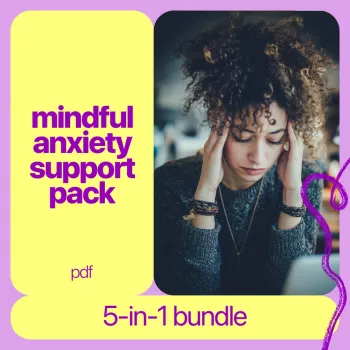
If you want an all-in-one option, explore the Mindful Anxiety Support Pack: 5-in-1 Bundle for Stress Relief & Emotional Intelligence (in stock).
For parents who want calmer communication and better day-to-day systems at home, the Smart Parenting with AI – Modern Parenting Guide eBook can pair well with a mindfulness routine by reducing overwhelm triggers and improving planning.
For a simple, low-pressure way to build calmer after-school or weekend rhythms with kids, consider The Kitchen-Table Craft Quest – Printable Checklist (a gentle routine tool that can support steadier transitions).
Some calming practices can lower tension in a few minutes, especially body regulation tools like slow breathing and grounding. A steadier baseline change usually comes from consistent daily use over several weeks, and tracking helps you notice progress even when it’s gradual.
Yes—beginners typically do best with short sessions and one tool at a time. Starting with body regulation plus a brief emotion check-in keeps it practical and easier to repeat.
No. A self-guided bundle can support skill-building and reinforce healthy coping, but it isn’t a substitute for therapy or medication when those are needed. If anxiety is severe, persistent, or worsening, professional guidance is important.





Leave a comment